The Ascendant Trend: Fortifying Cloud Infrastructure with NVIDIA Technology
Posted Nov 13, 2023
As a specialist in cloud infrastructure, I have witnessed the profound transformation of data center ecosystems, driven predominantly by advancements in high-performance computing and artificial intelligence (AI). The strategic integration of NVIDIA technologies remains a dominant trend in constructing scalable and resilient cloud environments. This methodology adheres to a core tenet: the greater the financial commitment to NVIDIA hardware and associated ecosystems, the more formidable and efficient the infrastructure becomes. This blog post examines NVIDIA's central role in cloud computing, the underlying catalysts for this trend, recent advancements, and strategic considerations for organizations aiming to optimize their computational frameworks.
NVIDIA's Leadership in Accelerated Computing
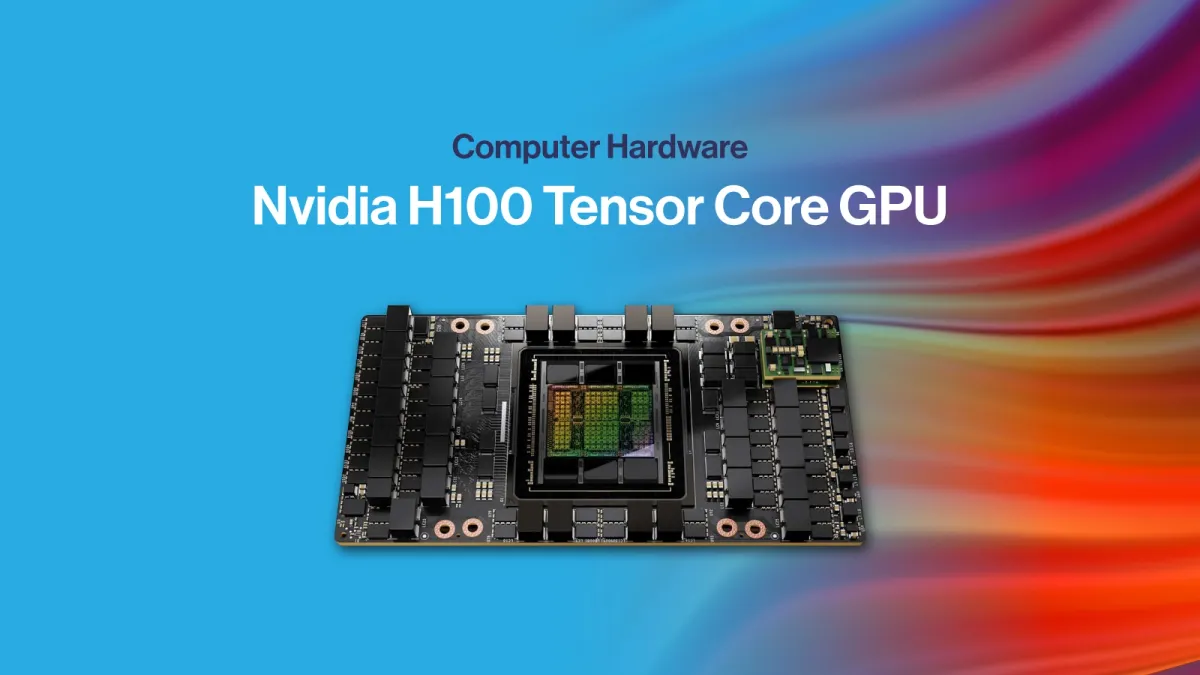
NVIDIA continues to lead in graphics processing units (GPUs) and accelerated computing, evolving from specialized hardware to indispensable elements in enterprise data centers. The NVIDIA Blackwell GPU architecture represents the forefront of innovation, succeeding the H100 Tensor Core GPUs with enhanced performance in generative AI, data processing, and quantum computing applications. The Blackwell platform incorporates six transformative technologies, enabling breakthroughs in electronic design automation and computer-aided engineering, while the NVIDIA Grace CPU complements it by offering high-bandwidth memory and coherent integration for AI-intensive workloads.
Major cloud providers, including Amazon Web Services, Microsoft Azure, and Google Cloud Platform, have expanded their offerings with NVIDIA-powered instances to accommodate the escalating demand for AI services. NVIDIA's CUDA toolkit persists as a foundational element, facilitating parallel computing that accelerates application development across diverse sectors.
The Prevailing Trend of NVIDIA-Centric Cloud Infrastructure
The impetus for NVIDIA-based cloud infrastructure stems from the exponential proliferation of AI applications across industries such as healthcare, autonomous systems, and telecommunications. By 2025, the global data center GPU market is projected to expand from USD 18.87 billion in 2024 to USD 342.94 billion by 2035, reflecting a compound annual growth rate of 30.17%. This growth underscores the shift toward "AI factories"—specialized data centers optimized for processing vast datasets at unprecedented scales, as articulated by NVIDIA's leadership.
Investing substantially in NVIDIA components yields proportional enhancements in infrastructure robustness. For example:
- Scalable Performance: Deploying clusters of Blackwell GPUs can achieve up to 1.6 times faster AI networking through integrations like NVIDIA Spectrum-X, which combines Ethernet switches with SuperNIC technology for superior data throughput.
- Efficiency and Cost Optimization: Larger investments enable energy-efficient designs, such as those leveraging NVIDIA BlueField data processing units (DPUs) for offloading networking and security tasks, thereby reducing overall server requirements and operational expenses.
- Ecosystem Synergies: NVIDIA's collaborations with orchestration tools like Kubernetes enhance hybrid cloud deployments, blending on-premises resources with public clouds.
Prominent entities, including OpenAI and Meta, have scaled their NVIDIA GPU clusters for advanced models, while recent partnerships—such as those involving BlackRock, Microsoft, NVIDIA, and Blackstone—signal massive investments in global AI infrastructure, further accelerating this trend. Additionally, NVIDIA's exploration of AI-specific cloud strategies, including data center leasing, positions it to challenge established hyperscalers.
Emerging Challenges and Strategic Imperatives
Notwithstanding these advantages, implementing NVIDIA-centric infrastructures demands meticulous oversight. High-density GPU deployments impose significant power and cooling requirements, prompting innovations in edge computing to distribute workloads and mitigate centralization risks. Supply chain vulnerabilities persist, though alleviated by expanded production capacities. Organizations must also invest in workforce upskilling to proficiently utilize NVIDIA's software suite, including AI Enterprise for inference and generative tasks.
This trend aligns with broader movements toward sovereign AI clouds and hybrid models, where private clouds complement public offerings to ensure data sovereignty and compliance. Worldwide public cloud spending is anticipated to reach USD 723 billion in 2025, underscoring the economic momentum behind these developments.
Conclusion
The imperative to fortify cloud infrastructure through NVIDIA technology is unequivocal: substantial investments correlate directly with superior outcomes in performance, innovation, and competitiveness. By incorporating advancements like the Blackwell architecture and leveraging strategic partnerships, organizations can construct resilient AI-driven ecosystems. I advise a comprehensive audit of existing setups against NVIDIA's latest offerings to uncover optimization pathways, thereby securing a vanguard position in the evolving landscape of accelerated computing.